

Abuja, Nigeria | 26 May 2026
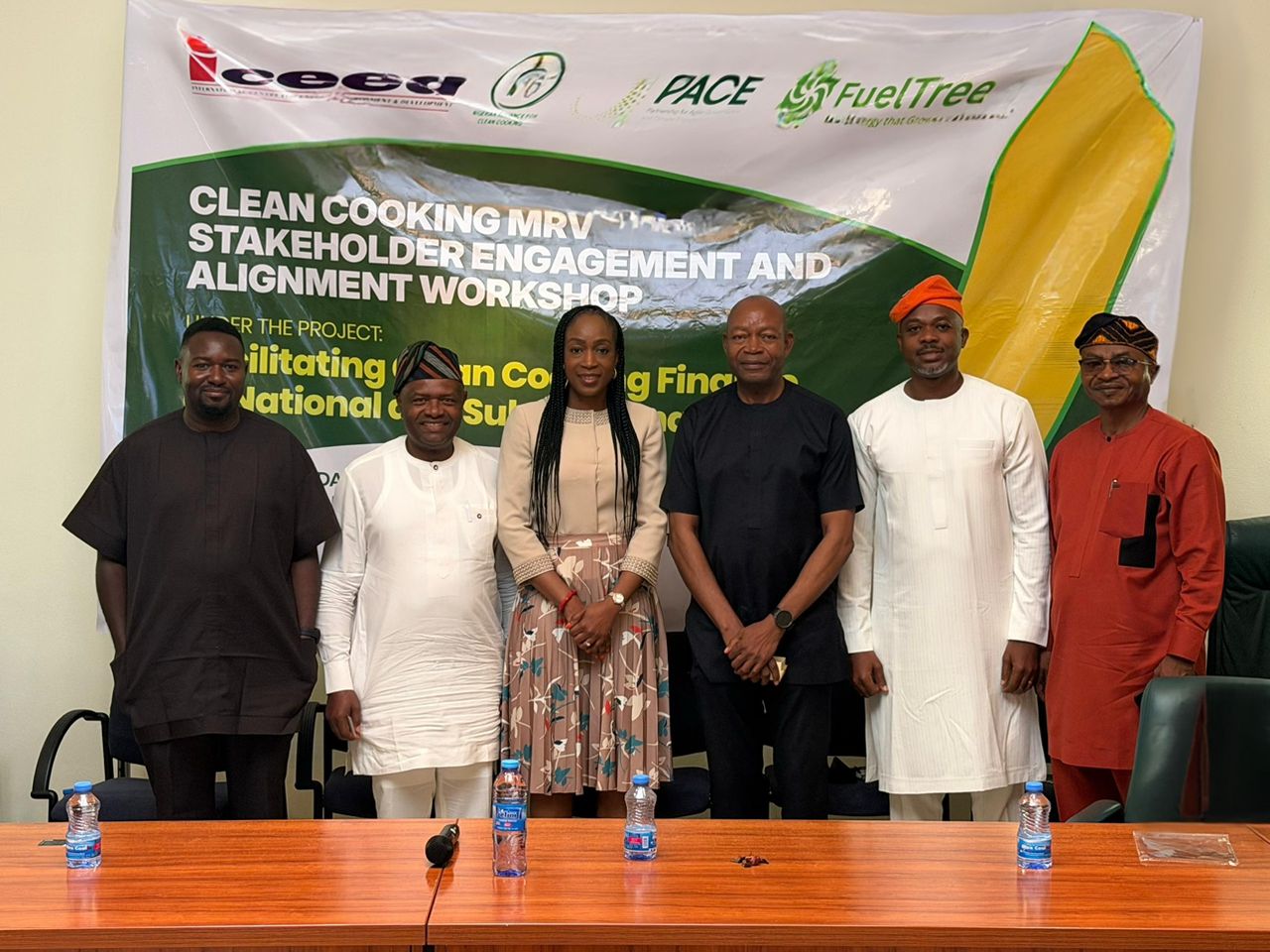
FuelTree Limited, in partnership with the Partnership for Agile Governance and Climate Engagement (PACE) and the International Centre for Energy, Environment and Development (ICEED), successfully convened the Clean Cooking MRV Stakeholder Engagement and Alignment Workshop at the Shehu Musa Yar’Adua Centre, Abuja.
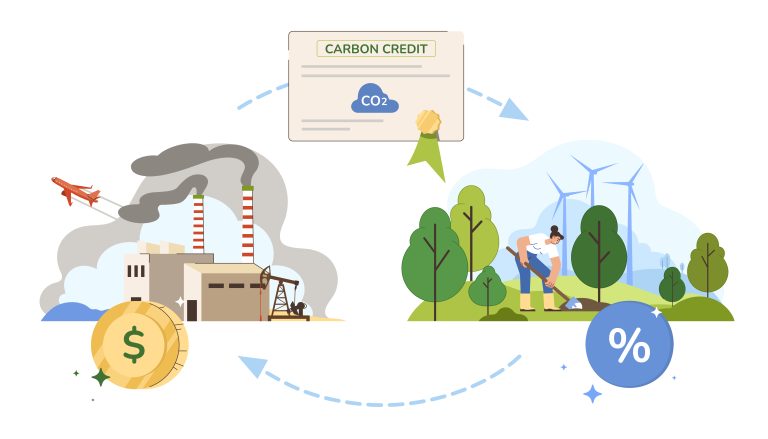
The high-level engagement brought together regulators, clean cooking developers, technology providers, standards organisations, development partners, investors and carbon market practitioners to address one of the most critical challenges facing Nigeria’s climate finance ecosystem: the need for a coordinated, credible and scalable Monitoring, Reporting and Verification (MRV) framework.
The workshop was designed to support the development of a practical, Nigeria-aligned MRV coordination framework capable of reducing approval bottlenecks, strengthening investor confidence, accelerating carbon credit issuance and unlocking climate finance opportunities for clean cooking projects across the country.
Sessions began with an overview of how trusted data can help unlock climate finance and serve Nigeria’s developing carbon market goals. The challenges of disjointed MRV strategies, inconsistent methods, and a lack of stakeholder alignment were identified as contributing factors to delays in project approvals and funding.
Chinonso Agbo, Program Manager at PACE, said during the workshop that MRV was “the missing link between projects and finance,” emphasizing the need for reliable measurement in order to convert climate aspirations into investment opportunities.
Delivering the workshop’s technical lead presentation, Chief Dr. Mrs. ‘Bekeme Olowola, Chief Executive of FuelTree and a Lead Facilitator of the engagement, emphasized the central role of data integrity in the future of carbon markets. She said, “Carbon markets ultimately run on confidence. Investors, regulators, buyers and communities must all trust that the impact being claimed is real. That trust does not begin with carbon credits. It begins with credible data, transparent systems and verifiable outcomes. If Nigeria gets MRV right, we can unlock climate finance at a scale that transforms both livelihoods and energy access.”
The workshop explored a wide range of issues affecting the future of clean cooking MRV in Nigeria, including interoperability between platforms, alignment with local and international certification frameworks, gender inclusion, last-mile delivery considerations, onboarding pathways for project developers, e-cooking opportunities, offline functionality requirements and practical implementation costs.
A key theme that emerged was the need to promote indigenous innovation and create pathways for Nigerian-developed clean cooking and MRV technologies to compete at regional and global levels. Similarly, stakeholders converged on interoperability being a key principle that will guide the sector in Nigeria to allow for different technology providers and project developers to plug into the national framework to drive market activities.
In his remarks, Engr. Ega Ijachi, who represented SON, stated that standards will play critical role in helping build assurance across the ecosystem and there are existing standards like Nigeria biomass standards that will fit into national plans towards convergence of continental and international quality management systems.
Discussions during the workshop also took place on improving institutional coordination along varieties of topics ranging from carbon registries, governance and approvals process along with needed capacity building for regulators and project developers.
On his part, Dr. Ewah Eleri, Founder/Chief Executive Officer, ICEED, reiterated the need for stakeholders to work together if we must have a sustainable carbon market ecosystem.
“Nigeria has the opportunity to build a carbon market architecture that reflects our realities while meeting international expectations. Achieving that will require collaboration between regulators, project developers, standards bodies, technology providers and investors. Strong MRV systems are not merely a reporting requirement; they are a foundation for market confidence, climate integrity and sustainable growth.”
The quality and diversity of participation further demonstrated the importance of the conversation. Participants included representatives from the Energy Commission of Nigeria (ECN), Standards Organisation of Nigeria (SON), Federal Ministry of Petroleum Resources, Federal Ministry of Women Affairs and Social Development, Federal Ministry of Environment, Renewable Energy Association of Nigeria (REAN), Shehu Musa Yar’Adua Foundation, and several leading clean cooking, renewable energy, technology and carbon market organisations including BURN, UpEnergy, Solar Sister, Roshan Renewables, Femabol Energy, and others.
The workshop concluded with broad consensus around several priority actions, including promoting interoperability, strengthening standards alignment, supporting local innovation, improving stakeholder knowledge and capacity, and developing the institutional frameworks necessary to support a thriving Nigerian carbon market.
The engagement forms part of an ongoing collaboration between FuelTree, PACE and ICEED to strengthen Nigeria’s clean cooking and carbon market ecosystem and contribute to the country’s energy transition and climate finance objectives.
About FuelTree
FuelTree is a climate technology and clean energy company focused on accelerating access to clean cooking, digital MRV systems, carbon market innovation and climate finance solutions across Africa.
About PACE
The Partnership for Agile Governance and Climate Engagement (PACE) supports climate governance, stakeholder engagement and policy innovation aimed at accelerating sustainable development outcomes.
About ICEED
The International Centre for Energy, Environment and Development (ICEED) is a leading Nigerian policy and research institution dedicated to sustainable energy, climate resilience and environmental development.